There is a particular quality to the light in the Dalmatian archipelago that defies conventional description. It is a luminous, silvery radiance, born of the collision between the deep indigo of the Adriatic and the stark, sun-bleached limestone of the karst islands. As one steers away from the well-trodden paths of Split and the bustling quay of Hvar, the world begins to soften. The sharp edges of modern travel—the frantic connectivity and the insistent noise of the mainland—dissolve into the rhythmic slap of water against the hull. Here, the yacht becomes not merely a vessel of leisure, but a mobile sanctuary, an instrument for navigating the silence that still persists in the hidden coves of the Lastovo and Vis island groups.
The Architecture of the Horizon
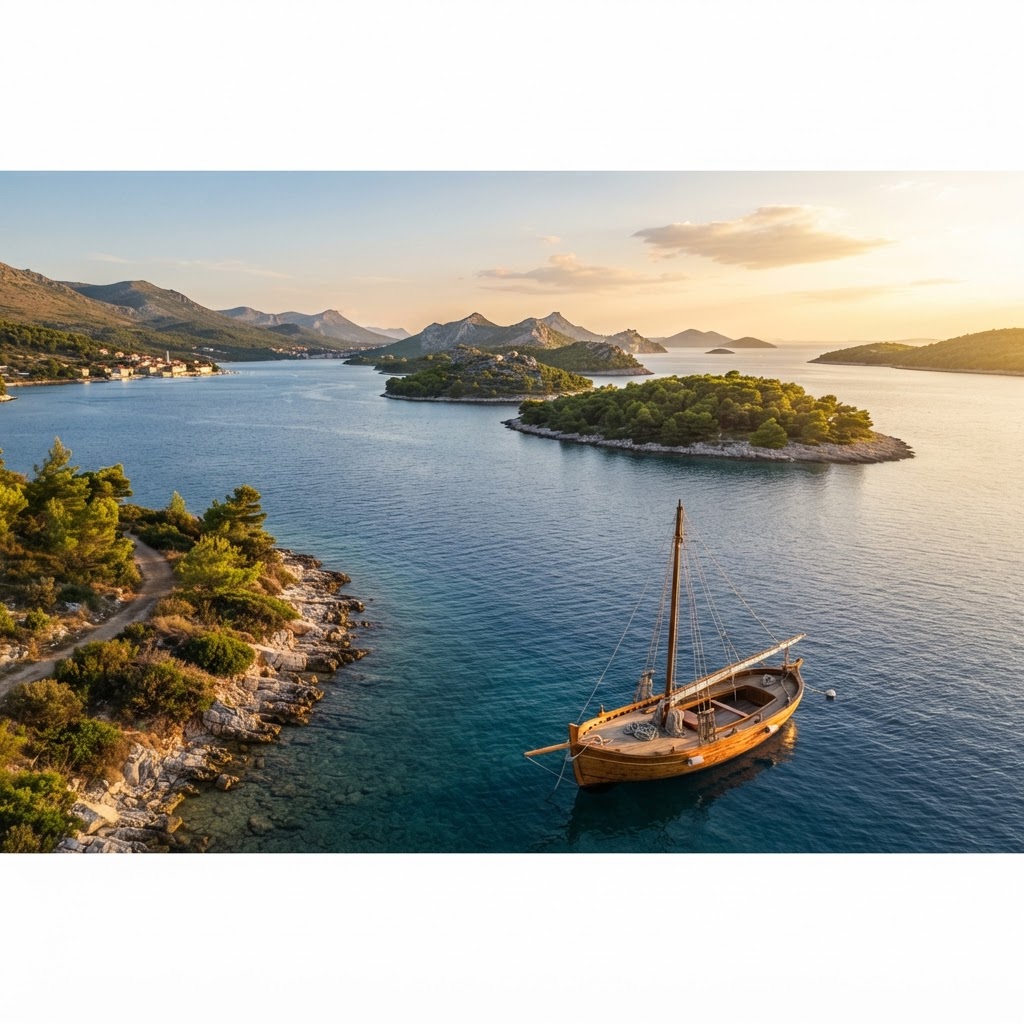
The geography of Croatia is less a coastline than it is an intricate puzzle of stone and salt. Over a thousand islands, islets, and reefs are strewn across the sea like the remnants of a shattered ancient continent. To sail these waters is to submit to the discipline of the wind and the chart. Unlike the vast, oceanic passages that demand a singular, relentless focus, the Dalmatian coast requires a constant recalibration of one's senses. Every headland turned reveals a new horizon; every passage between islands offers a shifting perspective on the interplay between land and water. This is a landscape that rewards the patient mariner, the one who understands that in this labyrinthine geography, the journey is not merely the means to an end, but the very essence of the experience.
The Lingering Echoes of Vis
There is a peculiar weight to the atmosphere on the island of Vis. For decades, it served as a clandestine military base, closed to the outside world, a strategic outpost frozen in a state of suspended animation. That legacy of isolation has, in a strange twist of irony, become its greatest preservation. Stepping onto the quay today, one feels the phantom presence of a history that refused to be overwritten by the march of global tourism. The harbour, tucked deep within the protective embrace of a dramatic bay, offers a stillness that is almost palpable. As the sun dips behind the rugged crests of the island, turning the water to molten copper, the village of Komiža awakens in a soft, melodic hum. It is a place that demands nothing of the visitor, save for the ability to sit, to observe, and to listen to the tales whispered by the limestone walls.
The Rhythm of the Tides
To live aboard a yacht in these waters is to adopt a pace of life that aligns itself with the elemental. There is no frantic rush to capture every landmark; instead, there is the slow, deliberate process of searching for the perfect anchorage. It might be a cove accessible only from the sea, where the scent of wild rosemary and sage drifts from the scrub-covered hillsides to mingle with the tang of salt spray. When the anchor descends into the translucent blue, the silence that follows is profound. It is in these moments, suspended between the depth of the sea and the expanse of the sky, that the true purpose of the charter becomes clear. It is not about the destination, but about the profound luxury of being unmoored, of finding oneself detached from the linear demands of the terrestrial world.
The Alchemy of Isolation
In the quieter reaches of the archipelago, such as the remote islands of the Palagruža or the southern fringes of Mljet, the sense of solitude takes on a transformative quality. These are not islands of grand resorts or high-octane marinas; they are islands of character, shaped by the harsh winds of the 'Bura' and the unrelenting heat of the Mediterranean summer. The stone dwellings, built centuries ago by fishermen and stonecutters, remain perched precariously above the waterline, as if clinging to the very last vestiges of their heritage. To anchor nearby is to be an invited guest in a landscape that remains stubbornly authentic. It is an experience that hums with a quiet, persistent dignity, reminding us that there is a vast difference between simply visiting a place and truly inhabiting it, if only for an evening.
Returning to the Anchor's Call
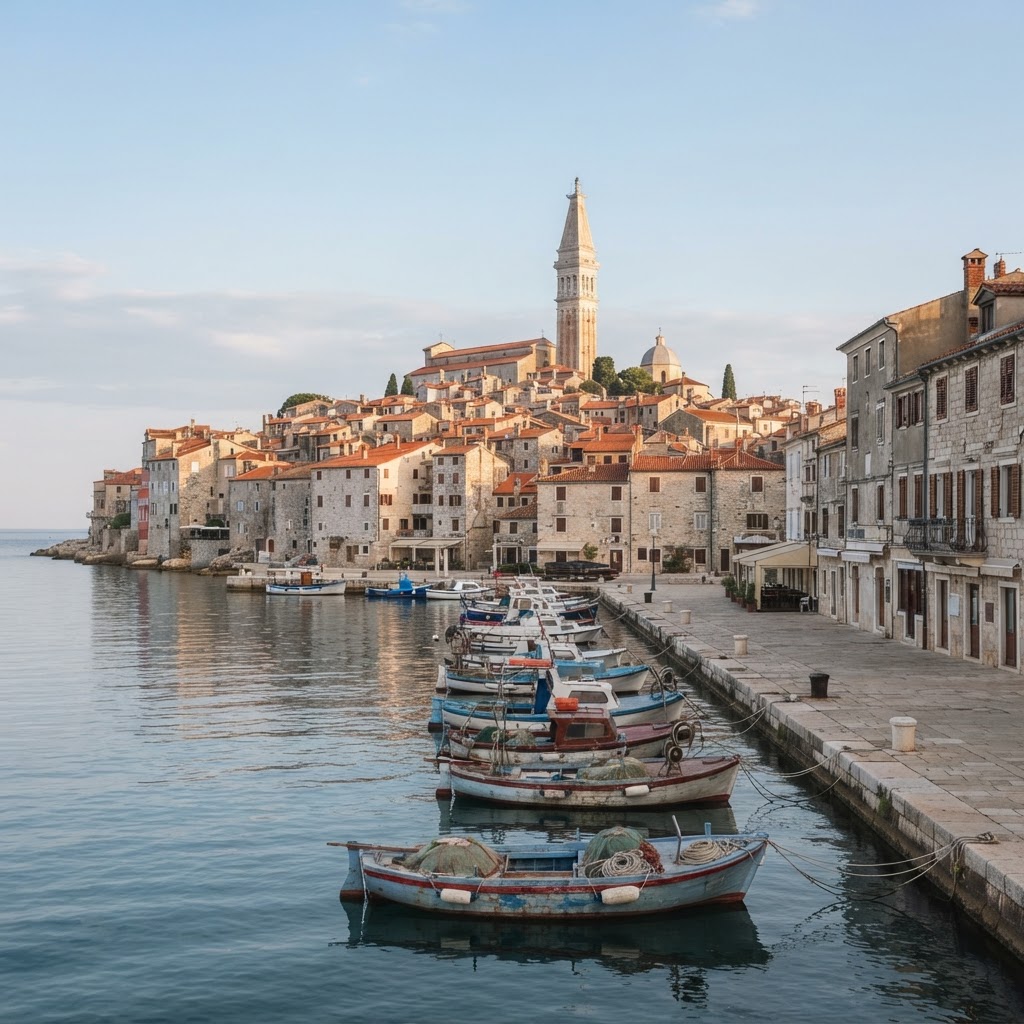
As the voyage nears its conclusion, there is a lingering melancholy, a reluctance to relinquish the autonomy that the open sea provides. The return to the mainland—to the inevitable bustle of civilisation—feels like a transition between two different modes of consciousness. Yet, the lessons learned amongst the Dalmatian islands remain. They teach that the most profound experiences are often those found in the margins, in the quiet bays shielded from the wind, and in the space between the islands. We leave the coast with the taste of salt on our skin and a renewed appreciation for the vast, untamed beauty of the Adriatic. The archipelago does not merely fade into the wake; it persists, a quiet, luminous memory that pulls at the horizon, waiting for the day when the sails are once again hoisted to catch the shifting breeze.