The Gathering
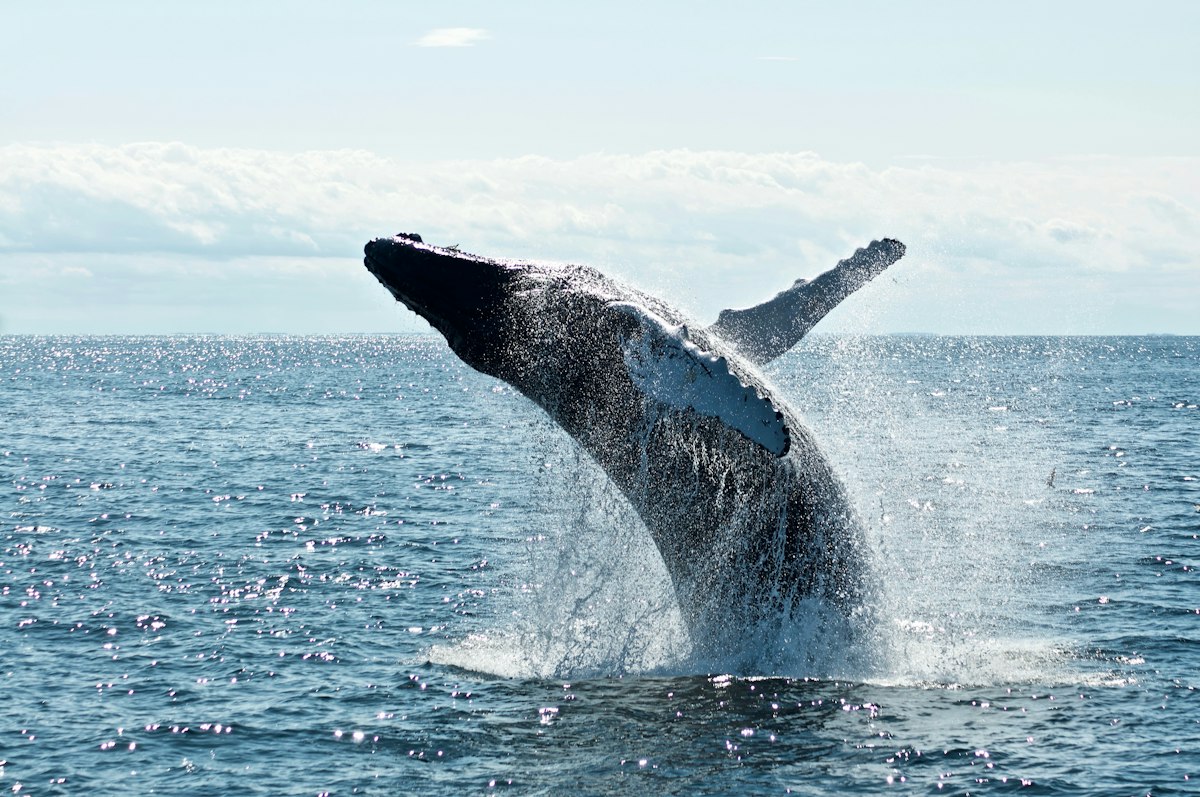
Seventy miles north of the Dominican Republic, the ocean floor rises abruptly from depths of several thousand metres to a shallow limestone platform known as the Silver Bank. From January through April each year, this remote reef becomes the site of one of the most extraordinary wildlife spectacles on the planet: the gathering of the North Atlantic humpback whale population to mate, calve, and raise their young.
Up to three thousand whales congregate here, having migrated from feeding grounds as far away as Greenland, Iceland, and Norway. The Silver Bank is one of only a handful of places in the world where humans are permitted to enter the water with humpbacks — a privilege strictly regulated by the Dominican government, with only a small number of licensed operators permitted access.
The Song
The first time you hear a humpback whale sing — not through a recording, but live, through water — it rearranges something in your understanding of what communication can be. The song is complex, structured in phrases and themes that repeat and evolve, and it travels for miles underwater. Only the males sing, and they sing primarily on the breeding grounds, which has led scientists to believe the song plays a role in mating — though whether to attract females, to compete with other males, or both, remains unclear.
What is certain is that each population's song changes over time, with new phrases appearing and spreading through the group. A humpback song from 2026 will differ measurably from one recorded a decade earlier.
The Encounter
To be in the water with a forty-ton humpback whale is an experience for which language is inadequate. The sheer scale — a creature longer than a city bus, suspended in blue water, utterly at ease — produces a kind of cognitive reset. The whale is aware of you. It turns, regards you with an eye the size of a grapefruit, and makes a decision. Sometimes it stays. Sometimes it leaves. Either way, you are changed.
The Conservation Context
The humpback was hunted to the brink of extinction in the twentieth century — the North Atlantic population was reduced to perhaps seven hundred individuals — but since the moratorium on commercial whaling in 1986, the species has staged one of the great recoveries in conservation history. The Silver Bank gathering is evidence of what is possible when humanity decides to protect rather than exploit.
The Mothers and Calves
The Silver Bank is, above all, a nursery. The warm, shallow, protected waters provide an ideal environment for newborn humpback calves, which are born after an eleven-month gestation weighing roughly one ton. The bond between mother and calf is among the strongest in the animal kingdom — the calf stays close to its mother's flank for the first year of its life, learning the migration routes, the feeding grounds, and the songs that will define its place in the population.
To witness a mother and calf together in the water — the calf nuzzling against its mother, the mother rising to support the calf at the surface for its first breaths — is to witness something that predates human civilisation by millions of years. The humpbacks were doing this long before we arrived, and if we are wise enough to let them, they will be doing it long after we are gone.