The White Gold of Motovun
The forests of inland Istria conceal a secret that commands prices comparable to precious metals. The white truffle of Istria — Tuber magnatum pico, the same species found in Alba and Piedmont — grows beneath the oaks that blanket the hills around the medieval town of Motovun. In autumn, after the first rains, the truffle hunters set out before dawn with their dogs, following scents invisible to the human nose.
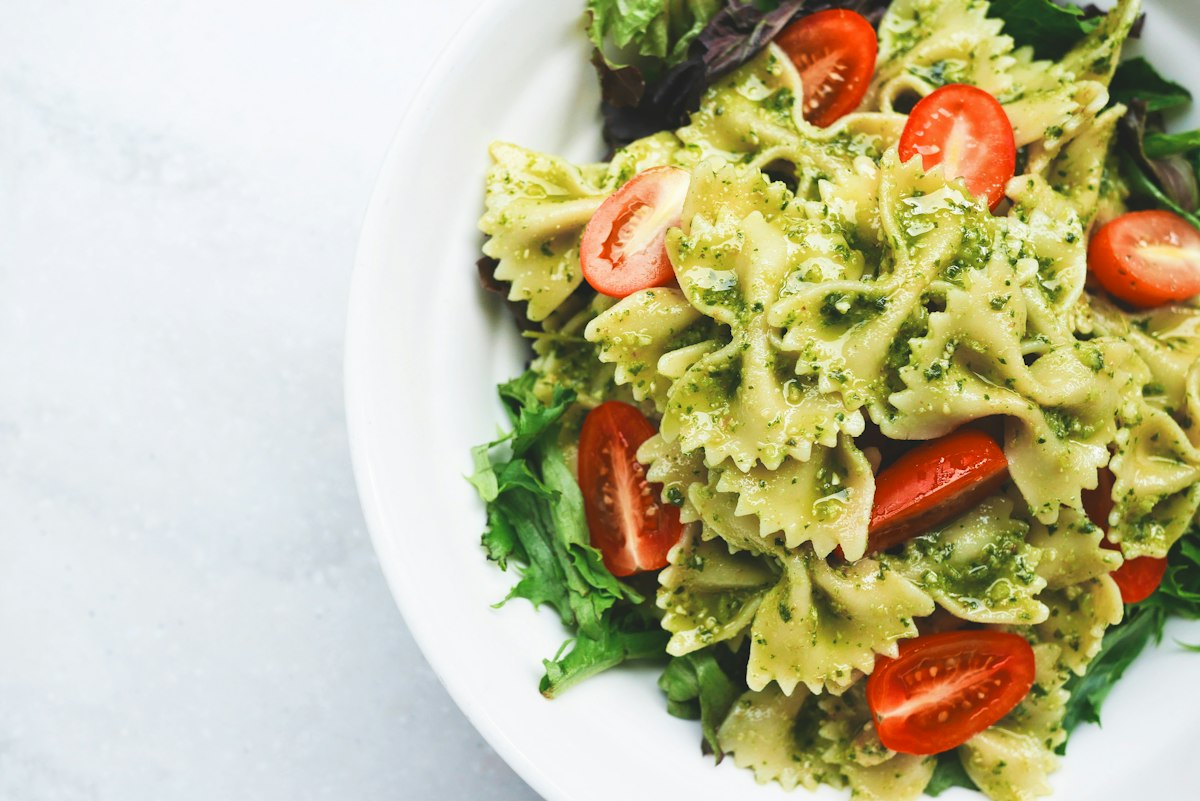
A single large white truffle can sell for several thousand euros at the markets in Buzet and Livade. The Istrian truffle, long considered inferior to its Italian cousin, has in recent decades been recognised as equal in quality — and considerably better value. The restaurants of the region serve it shaved generously over handmade pasta, scrambled eggs, and the local steak.
The Olive Groves
If the interior of Istria belongs to the truffle, the coast belongs to the olive. The peninsula has been producing olive oil since Roman times — the name Istria may derive from the Illyrian tribe the Histri, or from the Latin 'histrionicus', referring to the theatrical quality of the landscape — and its oils regularly win awards in international competitions.
The variety to seek out is busa, an indigenous cultivar that produces a green-gold oil of remarkable pepperiness and complexity. Visit an oil mill in Vodnjan or Bale in November, when the harvest is in full swing, to taste the new oil — bright, grassy, pungent — on a piece of fresh bread with a pinch of salt. It is one of the purest pleasures in Mediterranean food.
The Seafood of the Adriatic
The waters off Rovinj and Pula produce some of the finest seafood in the northern Adriatic: John Dory, scorpion fish, sea bass, and the local langoustines known as scampi. The Istrian approach is simple — grilled over wood, dressed with olive oil and lemon, served with a glass of malvazija, the indigenous white wine that pairs brilliantly with seafood.
A charter itinerary that includes Istria can combine the pleasures of the Adriatic islands with some of the best eating in Europe. Anchor off Rovinj for dinner at Monte, one of the region's most celebrated restaurants, or take a tender ashore at Novigrad for the seafood at Damir & Ornella — a restaurant so small and so good that tables must be booked weeks in advance.
The Wines of Istria
No account of Istrian food is complete without its wines. The malvazija Istarska — the indigenous white grape of the region — produces wines of remarkable freshness and minerality, with notes of acacia, citrus, and almond. The best examples, from producers like Kozlovic and Roxanich, can stand comparison with the finest white wines of northern Italy. The red variety to know is teran, a grape that produces wines of deep colour and robust structure — the perfect companion to the grilled meats and game dishes of the interior.
A tasting at one of the region's wineries — many of which occupy centuries-old stone buildings overlooking vineyards that slope down toward the sea — is one of the quiet pleasures of an Istrian charter. The combination of extraordinary food, world-class wine, and one of the most beautiful coastlines in the Mediterranean makes this small peninsula one of Europe's most compelling destinations for the travelling table.