The Banda Islands
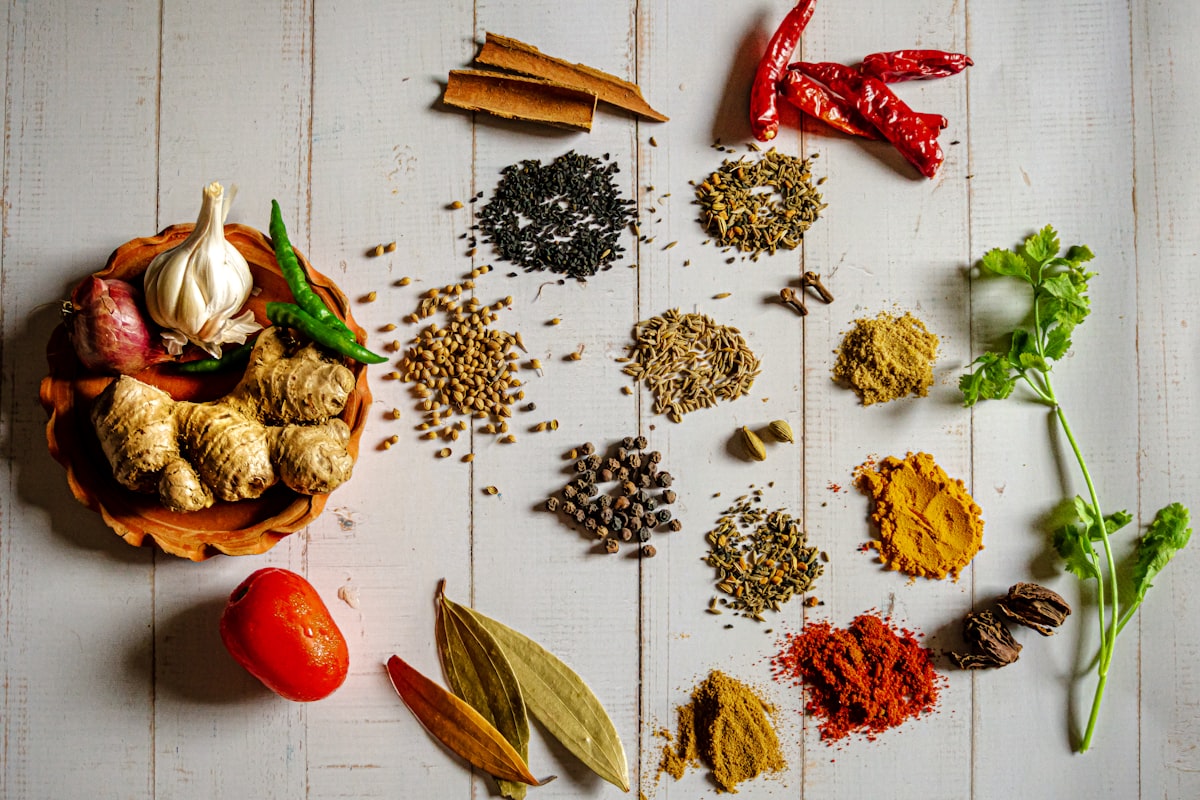
There was a moment, in the early seventeenth century, when a nutmeg from the Banda Islands was worth more than its weight in gold in the markets of Amsterdam. The Banda archipelago — ten tiny volcanic islands in the Banda Sea, now part of Indonesia — was the only place on earth where nutmeg and mace grew. Whoever controlled the Bandas controlled the global spice trade.
In 1621, the Dutch East India Company, determined to enforce its monopoly, massacred or enslaved virtually the entire population of the Bandas and repopulated the islands with Dutch planters and enslaved workers. The event, a footnote in most European histories, is remembered in Indonesia as a defining atrocity of colonial expansion.
The Search for the Spice Islands
The European search for a sea route to the spice-producing regions of Asia drove the great voyages of the Age of Discovery. When Vasco da Gama reached Calicut on India's Malabar Coast in 1498, he had opened a route that would transform the world economy. The Portuguese, followed by the Dutch and the English, established trading posts and fortresses across the Indian Ocean — from Mozambique to Malacca to Macau — in a network whose purpose was, fundamentally, the movement of pepper, cinnamon, nutmeg, and cloves from their sources to European markets.
The Ship That Changed Everything
The East Indiaman — the heavily armed merchant vessel developed by the Dutch and English East India Companies — was one of the most significant ship types in maritime history. Larger than any warship a century earlier, capable of carrying hundreds of tons of cargo across oceans, armed with enough cannon to fight off pirates and rival powers, these vessels were the logistical backbone of the spice trade. A single successful voyage could return a profit of several hundred percent to the Company's shareholders.
The Legacy
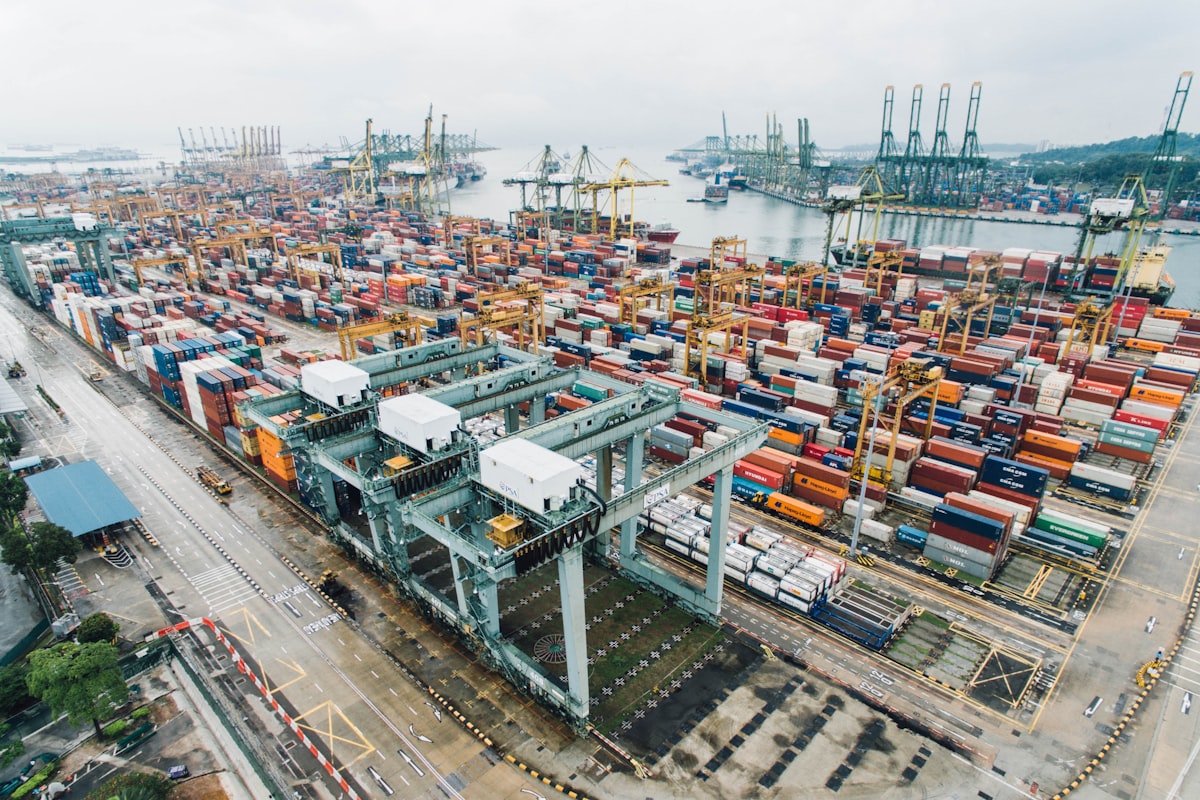
Today, nutmeg grows in Grenada and Zanzibar as well as in the Bandas. The spice that was once worth more than gold is a common kitchen ingredient. But the systems of global trade that the spice routes established — the networks of shipping, finance, and imperial power — continue to shape the world. The modern container ship that carries cargo from Shanghai to Rotterdam is, in a direct line, the descendant of the Dutch East Indiaman that carried nutmeg from the Bandas to Amsterdam in 1650.
The Taste of History
It is worth pausing, next time you grate nutmeg into a dish, to consider what that small brown seed represents. It is the product of a tree that evolved on a handful of volcanic islands in the Banda Sea. It was carried across oceans by men who risked — and often lost — their lives in the pursuit of profit. It was the cause of wars, the foundation of fortunes, and the engine of an empire. And yet it survives, in our kitchens, stripped of its history, reduced to a background note in a custard or a béchamel.
The spice routes are not gone. They have simply become invisible — absorbed into the vast, efficient, largely unexamined machinery of global trade. But the nutmeg in your cupboard is a direct link to the Bandas, to the East Indiamen, to the massacre of 1621 and the empire it served. Every meal we cook with spice carries the taste of history, whether we know it or not.