There is a particular rhythm to a galley at sea that defies the terrestrial logic of a restaurant kitchen. When the swells rise and the vessel begins its rhythmic dance against the Southern Ocean or the turquoise currents of the Tuamotu Archipelago, the static permanence of a stove becomes a theatre of precarious grace. To the uninitiated, the galley is a space of confinement; to the charter chef, it is a laboratory of precision where the laws of physics are negotiated with every pan tilt and every stabiliser adjustment. It is here, far from the infrastructure of global supply chains and high-end purveyors, that the true mettle of the yachting culinary artist is forged.
The Architecture of the Unpredictable
Cooking in the middle of an oceanic transit is an exercise in profound discipline. One does not simply 'pop to the store' when a crucial ingredient is misplaced or a jar of saffron is exhausted. The planning required for a long-range voyage resembles the strategic logistics of a maritime expedition. Every cubic inch of refrigeration must be mapped with the meticulousness of a cartographer, ensuring that fragile micro-greens do not succumb to the condensation of the chillers and that the noble cuts of Wagyu are protected from the fluctuating temperatures of the hold. It is a dance of inventory, where the shelf life of a bell pepper is measured against the forecasted wind speeds and the rolling gait of the hull.
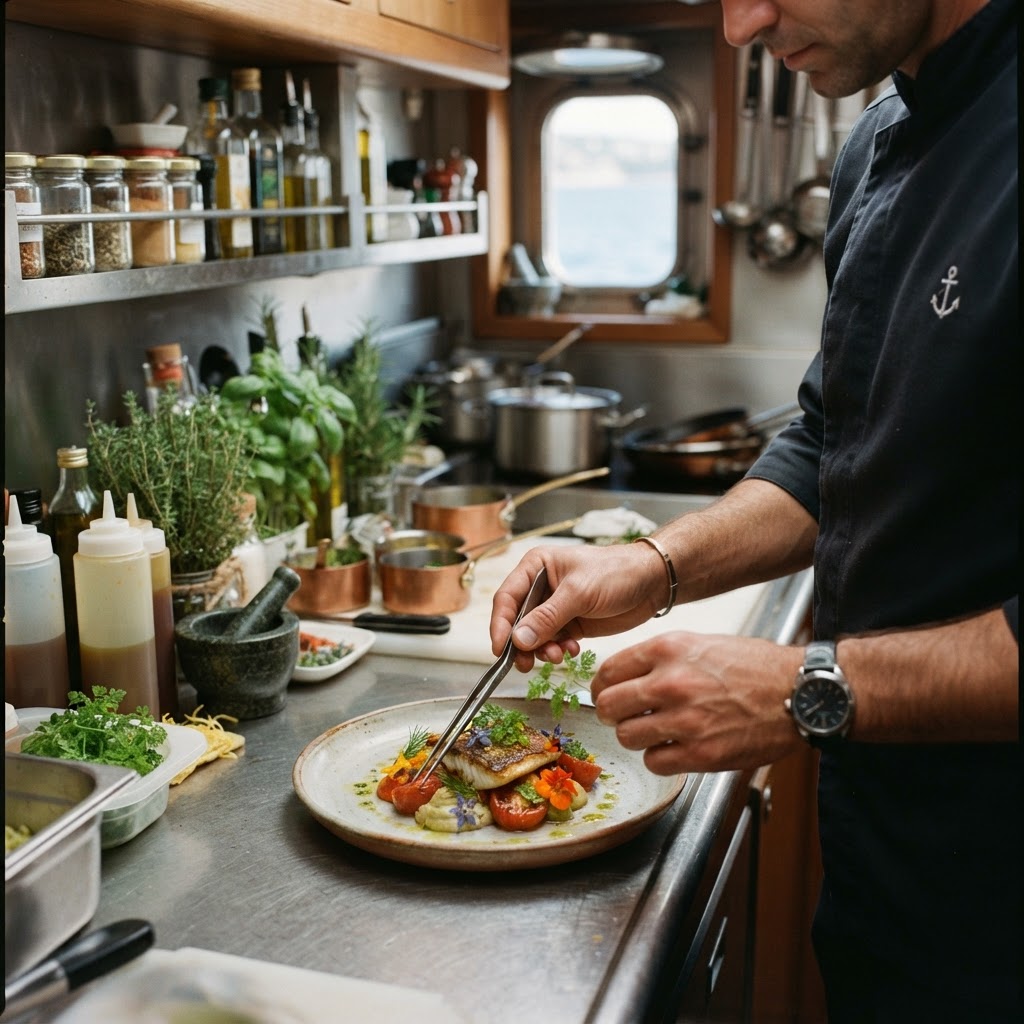
When the boat heels, the chef must anticipate the shift of the centres of gravity. This is not merely about ensuring a pot of stock does not slide off a burner; it is about the internalisation of the vessel's movement. An experienced chef learns to read the pitch and yaw of the deck before they even step into their whites. There is a quiet, meditative quality to this preparation, a physical engagement with the boat that turns the galley into an extension of one’s own body. One learns to anchor oneself against the cabinetry, creating a tripod of stability that allows for the fine motor skills required to bone a Dover sole or delicate chiffonade of fresh basil, even as the horizon tilts at a sharp, insistent angle.
Markets at the Edge of the Map
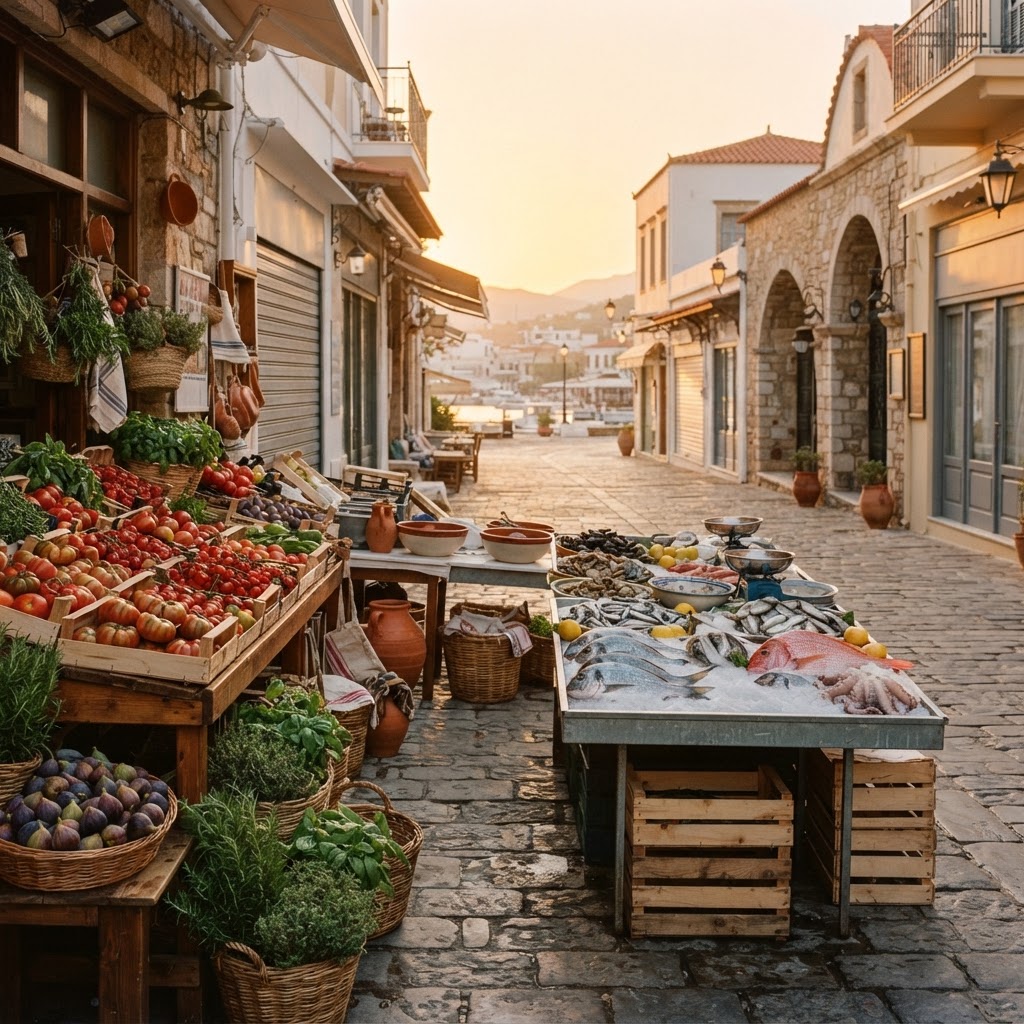
Perhaps the most romantic, yet daunting, facet of the charter chef’s life is the alchemy of remote provisioning. In the world of the superyacht, the expectation is one of effortless luxury—the arrival of pristine, seasonal produce regardless of the coordinates. Yet, the reality of cruising the remote archipelagos of the Pacific or the rugged, serrated edges of the Patagonian coast dictates a different approach. Here, the chef must transform into an adventurer, scavenging the local markets where the bounty is dictated not by a global distributor, but by the tide, the morning’s catch, and the soil of the local volcanic earth.
In these peripheral ports, the aesthetic of the supermarket is replaced by the raw, vibrant pulse of the harbour stall. A chef might find themselves bargaining for a crate of spiny lobster with a local fisherman whose hands are as weathered as his skiff, or identifying the exact, fleeting window of ripeness for a sun-drenched mango that tastes of nothing one has ever encountered in a metropolitan grocer. This requires a profound culinary intuition. One must be prepared to abandon the meticulously planned menu the moment a haul of local red snapper arrives on the quay. It is a liberation of sorts, forcing a move away from the rigid safety of standardized recipes towards an improvisational brilliance that respects the provenance of the land and sea.
The Discipline of the Galley
Within the refined atmosphere of the yacht, the service of a meal is a silent, seamless choreography. The guests, seated on the aft deck beneath a canopy of stars, see only the final output: a plate that bridges the gap between the wild, untamed nature outside and the sophisticated elegance of their own curated environment. They see the perfectly seared scallop, the jus that carries the essence of a distant spice market, and the texture of a dessert that defies the ambient heat of the tropics. They rarely see the silent battles fought beneath deck.
Cooking at sea requires a psychological rigour that is rarely discussed in the glossy pages of food magazines. The heat in a galley can be suffocating, the noise of the machinery a constant, thrumming companion, and the schedule relentless. A chef might prepare a multi-course dinner for sixteen while the yacht is pitching, only to wake the next morning to curate a breakfast spread of fresh pastries and hand-pressed juices, all while maintaining a calm, welcoming demeanour for the guests. This is the hallmark of the profession: the ability to compartmentalise the fatigue of the voyage and project an image of effortless culinary mastery. It is, in every sense, a performance of high art under duress.
The Sensory Landscape of the Ocean
There is an inherent poetry to the ingredients one chooses when far from home. At sea, the palate seems to shift, craving both the sharpness of local citrus to cut through the humidity and the deep, grounding earthiness of locally sourced roots. When a yacht traverses the Atlantic, the food served on board should tell the story of that transit. It should taste of the salt-spray and the sun, of the cold, deep currents and the lush, terrestrial gardens of the ports of call. The best chefs are those who allow the ocean to dictate the menu, refusing to force the ingredient into an unnatural configuration, but rather allowing it to shine in its simplest, most potent form.
To experience a meal prepared by a chef who understands this is to understand the soul of yachting. It is not about the provenance of the caviar or the vintage of the champagne, but about the connection between the diner, the vessel, and the environment. When the chef succeeds, the dining experience becomes a medium of travel in itself. A plate of crudo, dressed with lime grown on the nearby hillside and finished with a pinch of hand-harvested sea salt, does more to place the guest within the geography of their voyage than any map or guide.
Sustainability and the Evolving Palate
As the world of yachting moves towards a more conscious engagement with the environment, the role of the charter chef is evolving. We are seeing a move away from the unsustainable demand for out-of-season, air-freighted luxuries toward a deeper, more profound appreciation for local terroir. This shift is not merely ethical; it is gastronomic. A chef who understands that the best ingredients are those that have travelled the fewest miles is a chef who has mastered the craft of the contemporary voyager.
This move towards hyper-local sourcing requires a new kind of literacy. It demands an understanding of regional agricultural cycles and a respect for the cultural significance of food in every port. It is a humble approach that sees the chef not as a master of nature, but as a facilitator of its bounty. When a yacht departs for a new horizon, the provision list is no longer a static document, but a fluid invitation to explore the culinary heritage of the coast. The art of the charter chef, therefore, is the art of connection, bridging the distance between the exotic and the familiar with a single, perfectly executed dish.