The Architecture of the Horizon
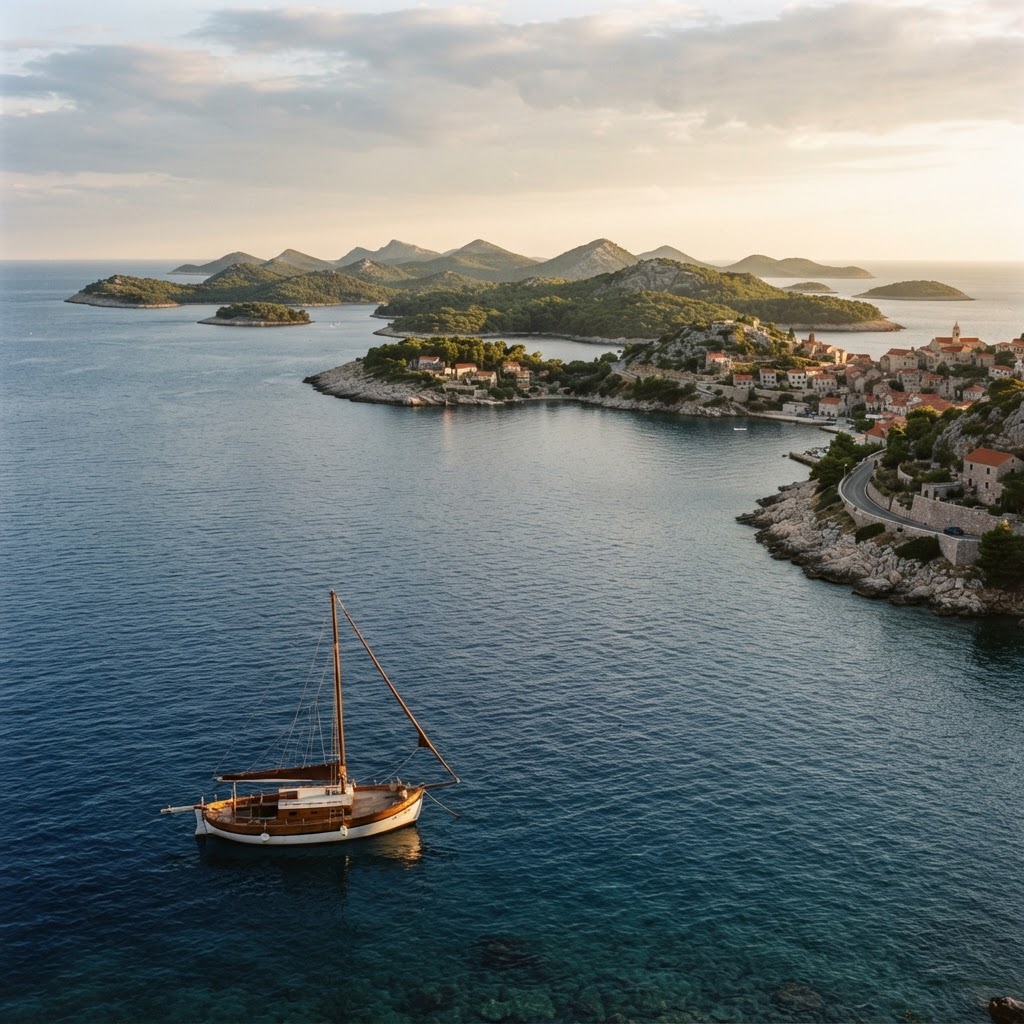 There is a particular light that descends upon the Adriatic as the afternoon sun begins its long, languid surrender to the west. It is a golden, honeyed glow that seems to pull the limestone cliffs of the Dalmatian coast into sharp, dramatic relief, casting deep indigo shadows across the crystalline depths of the bays below. From the teak deck of a yacht, one perceives this landscape not as a static backdrop, but as a shifting, breathing entity. Here, the geography is a masterclass in complexity; a thousand islands, islets, and reefs fractured from the mainland eons ago, creating a navigational playground that demands both respect and a certain, meditative patience. To sail these waters is to submit to a different chronology altogether—a time governed not by the frantic ticking of clocks, but by the subtle shift of the mistral wind and the gentle, persistent lull of the tide.
The Geometry of Solitude
While the bustling ports of Split and the limestone-paved arteries of Dubrovnik maintain their well-deserved status as the region’s cultural anchors, the true essence of the Dalmatian coast resides in the periphery. To find the soul of this archipelago, one must be prepared to turn the prow away from the familiar. In the secluded coves of the Kornati National Park, the landscape turns stark and lunar. Here, the lack of vegetation gives the islands a raw, sculptural quality, their white stone surfaces mirrored in waters of such startling transparency that the vessel appears to hover in the air. These are the places where silence becomes a tangible presence, broken only by the rhythmic lapping of water against the hull and the distant, mournful cry of a circling gull. It is a profound sort of isolation, one that strips away the accumulated noise of the modern world and reminds us why we return to the sea in the first place.
A Rhythm of Reefs and Ruins
Island hopping in Croatia is an exercise in continuity. Each landmass reveals a layered history, where Illyrian stone mounds sit comfortably beside Roman ruins and modest, vernacular fishing villages. On the island of Vis, the legacy of a tumultuous military past has resulted in a fascinating, deliberate under-development. Where other islands were paved over for the sake of mass tourism, Vis remained largely untouched for decades, preserving an authenticity that is rare in the contemporary Mediterranean. Walking through the narrow, limestone-clad alleys of KomiŰa, one smells the briny tang of salt-cured sardines and the faint, sweet scent of wild rosemary growing in the crags above. It is a place where the rhythm of life remains stubbornly agricultural and maritime, indifferent to the transient whims of global travel trends.
The Mariner’s Perspective
For the discerning yachtsman, the challenge of the Dalmatian coast is as much about navigation as it is about discovery. The Adriatic is a fickle mistress; the notorious bora wind can turn a serene morning into a testing ground for seamanship in the blink of an eye. This is a coast that rewards the vigilant. Anchoring in the shadow of a high cliff requires an intimate understanding of the seabed and the prevailing currents, a dance of intuition and technical skill that is central to the yachting experience. There is a distinct, quiet satisfaction in setting a perfect anchor in a bay accessible only by boat, knowing that one is part of a tradition of explorers who have sought out these same hidden harbours for centuries, each looking for that ephemeral intersection of shelter and beauty.
Culinary Echoes of the Deep
To dine on the coast of Dalmatia is to consume the landscape itself. The cuisine is unpretentious and rooted firmly in the immediate surroundings. In the small konobas—traditional family-run taverns—that dot the archipelago, the menu is dictated by the day’s haul. A simple plate of grilled sea bream, seasoned with the peppery, unfiltered olive oil for which the region is rightly famed, and accompanied by a crisp, mineral-heavy Pošip wine, captures the spirit of the Adriatic more effectively than any guidebook. It is a testament to the fact that sophistication does not require artifice. When the ingredients are gathered from the pristine waters and the sun-baked soil of the islands, the preparation need only be an act of restraint. Watching the stars ignite the sky above a coastal harbour, glass in hand, one begins to understand the ancient connection between the people of these islands and the sea that sustains them.
The Unfinished Voyage
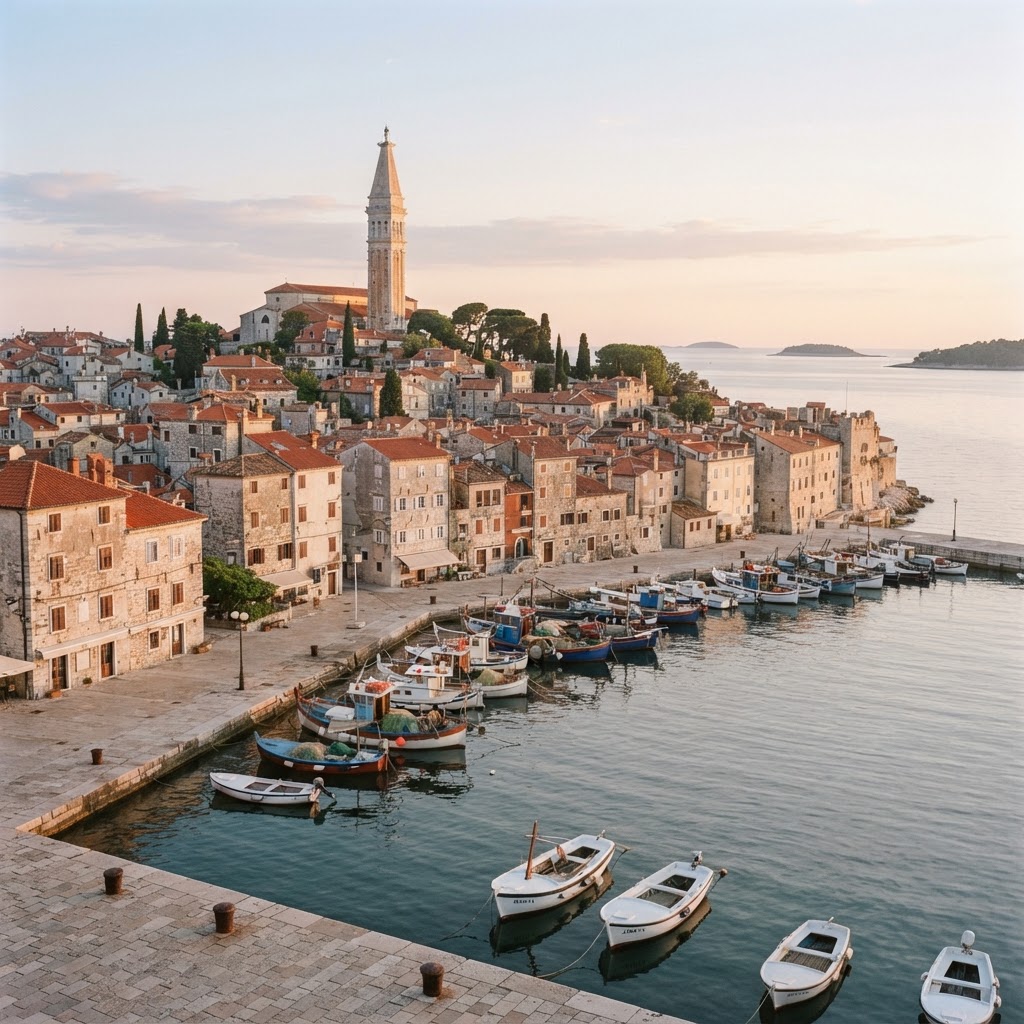
As the voyage draws to a close, one realises that the Dalmatian archipelago is not a destination to be conquered, but a narrative to be inhabited. It is a place that refuses to be rushed, its beauty woven into the slow movement of the currents and the gradual erosion of its stone cliffs. Even as the vessel begins the return journey towards the mainland, the mind remains anchored in those quiet, nameless bays. There is an enduring allure to this region, a sense that for all the miles covered, there are still countless hidden coves waiting for the right breeze and the right boat to reveal them. The true joy of sailing here lies in the understanding that the horizon is not a border, but a promise; and that in the vast, sapphire expanse of the Adriatic, there is always, quite literally, another island waiting to be discovered.