A Fragile Inheritance
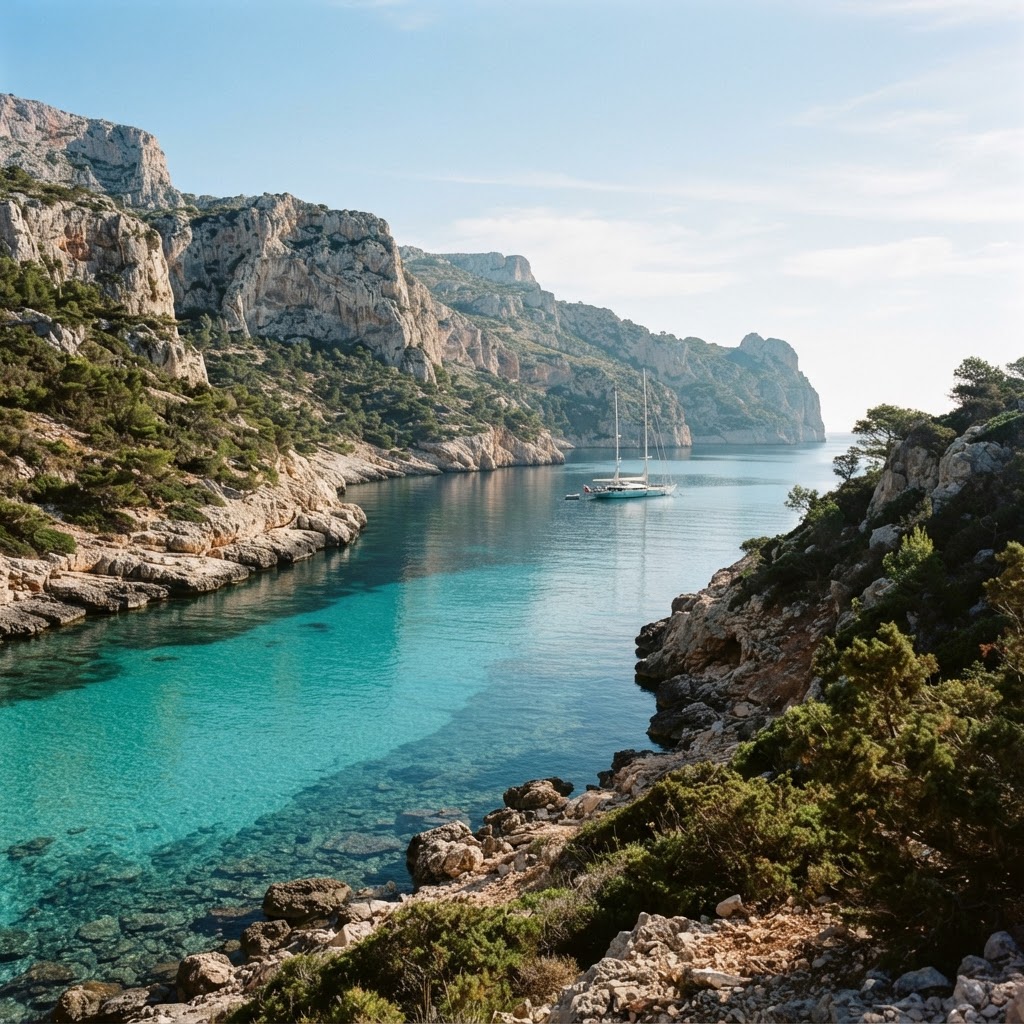
The Mediterranean, often depicted as a sun-drenched playground for the elite, is a basin of profound geological and historical complexity. Beyond the bustling harbours and vibrant coastal nightlife lies a quieter, more primordial world. Here, the water possesses a clarity that seems to defy the reach of time. For those of us who spend our lives tracing the rhythms of the tides, these marine protected areas—or MPAs—represent more than mere points on a nautical chart. They are the last vestiges of a truly wild sea, sequestered zones where the anchor must be dropped with intention and the wake steered with humility. To enter these waters is to become a guest in a realm where conservation has managed to hold the relentless march of modernity at bay, allowing the vibrant tapestry of endemic life to flourish in relative silence.
The Arcadian Waters of Port-Cros
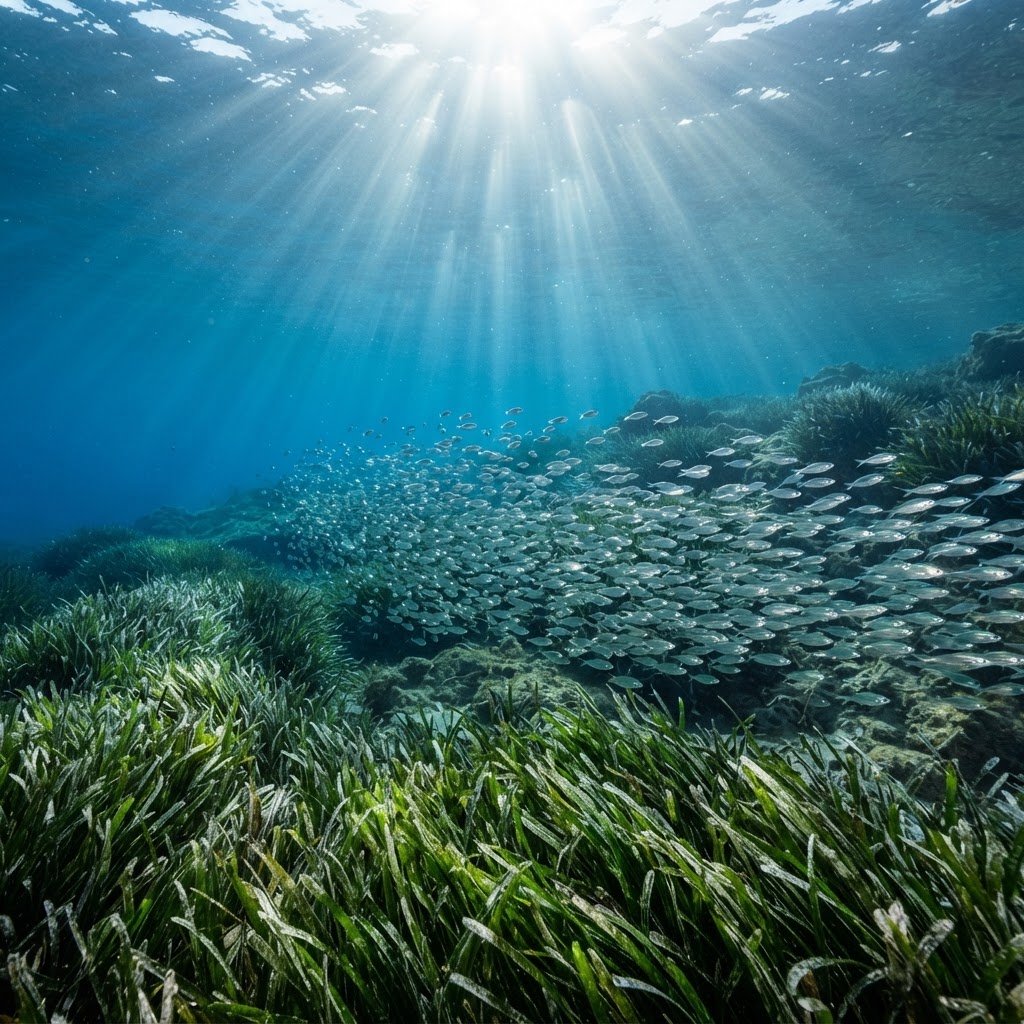
Resting off the coast of Hyères in the South of France, the National Park of Port-Cros remains a testament to the foresight of those who recognised the need for preservation half a century ago. It was the first marine national park in Europe, and its influence is immediately palpable. As you approach by tender, the seabed shifts from deep azure to a luminous, impossible turquoise, revealing vast meadows of Posidonia oceanica—the Mediterranean’s vital, oxygenating lungs. Yachting here requires a profound shift in mindset. Mooring is strictly regulated to protect these delicate sea-grass beds from the scarring of anchors, necessitating the use of ecological buoys provided by the park. It is a small inconvenience that serves as a beautiful reminder: true luxury is not the absence of limits, but the presence of a flourishing, untouched ecosystem right beneath your hull.
The Silent Depths of Cabrera
Far to the south of Mallorca, the Archipelago of Cabrera rises from the Balearic Sea like a mirage of limestone and scrub. Designated as a national park in 1991, it is a fortress of biodiversity that feels light-years removed from the neon pulse of Ibiza or the crowded marinas of Palma. The waters surrounding this rugged, uninhabited island are among the most strictly protected in the Mediterranean, a sanctuary for groupers, loggerhead turtles, and dolphins. To spend a night at anchor in the bay of Es Port is to experience a rare form of isolation; at night, the lack of light pollution turns the sky into a celestial map, while the silence is punctuated only by the rhythmic slap of water against the teak decking. It is here that the concept of the yacht as a mobile observatory truly takes hold, providing a front-row seat to a wilderness that remains remarkably unchanged since the Phoenicians first navigated these straits.
Navigating the Adriatic’s Hidden Jewels
The Kornati National Park in Croatia offers a stark, lunar landscape that stands in bold contrast to the lush greenery of the western Mediterranean. An intricate labyrinth of 89 islands, islets, and reefs, this limestone archipelago is a testament to the sculptural power of wind and sea. The water here is exceptionally clear, a result of the sparse vegetation and the lack of significant terrestrial runoff, which makes it a paradise for those who seek the meditative joy of an early morning swim. Navigating the Kornati demands respect for the shallow, shifting currents and the intricate maze of channels. Respectful yachting here means respecting the 'leave no trace' philosophy, ensuring that one’s presence leaves the water just as pristine for those who will follow in the seasons to come. It is a place for the contemplative traveller, one who finds satisfaction in the sight of a peregrine falcon circling the crags rather than the spectacle of the shore.
The Ethics of the Modern Mariner
As the Mediterranean continues to face the dual pressures of climate change and over-tourism, the role of the yachtsman has evolved from mere observer to active custodian. The beauty of these marine reserves is not static; it is maintained by the rigorous enforcement of anchoring bans, speed restrictions, and waste management protocols. Engaging with these spaces effectively means embracing these restrictions rather than lamenting them. When we choose to anchor on sand rather than seagrass, when we reduce our speed to avoid disturbing marine mammals, and when we support local conservation initiatives, we ensure that the sea remains a viable, vibrant entity for generations to come. This is the new definition of maritime sophistication: an understanding that the most valuable commodity at sea is not the latest technology or the most powerful engine, but the health and longevity of the marine environment itself.
A Legacy in Every Wake
Standing on the aft deck as the sun dips below the horizon, painting the water in hues of bruised violet and liquid gold, it is impossible not to feel a sense of profound privilege. The Mediterranean, though fragile, remains a source of endless wonder for those willing to look beyond the surface. These protected reserves are not merely destinations to be ticked off a list, but sanctuaries that challenge us to become better stewards of the blue. By choosing to visit these areas with a spirit of reverence and curiosity, we preserve the very essence of the yachting lifestyle: the freedom to roam, the desire to explore, and the quiet awe inspired by a world that, for a few precious hours, belongs entirely to the wild.