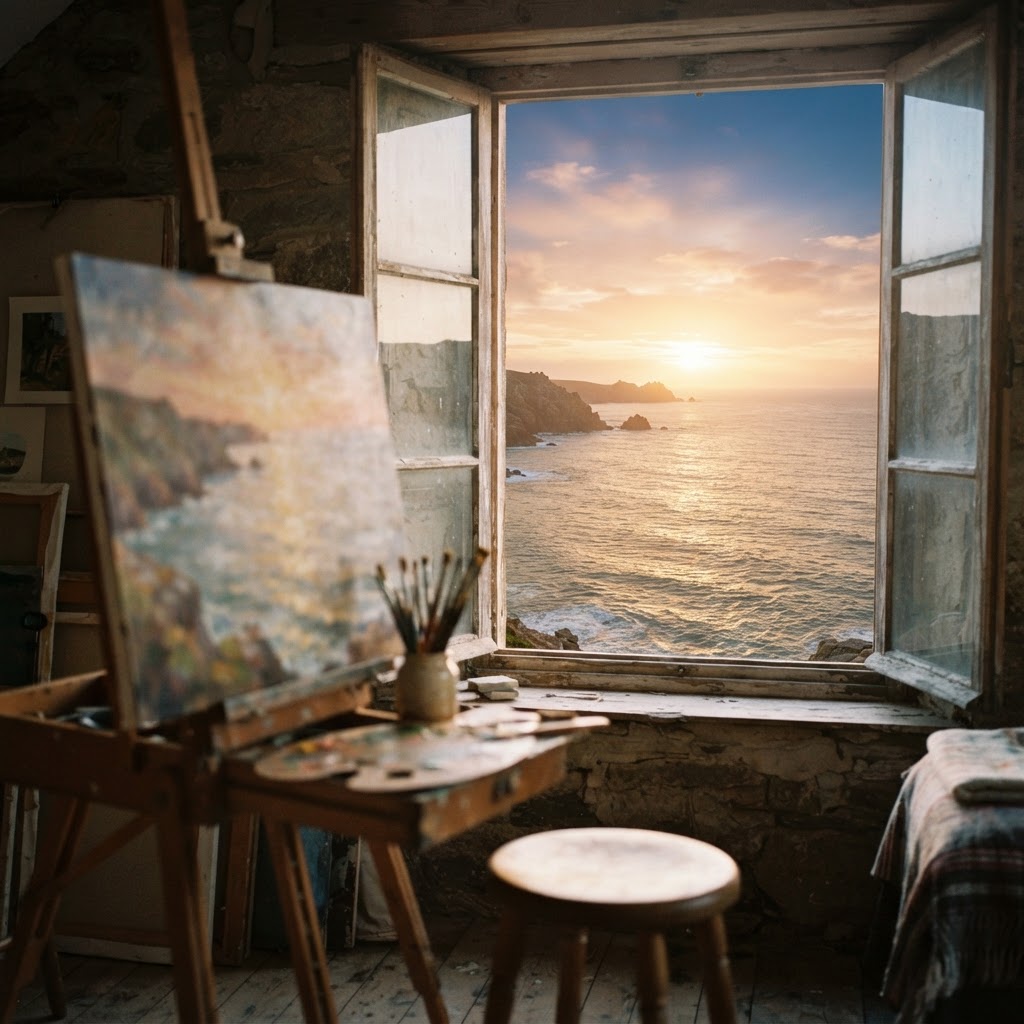
There is a specific, silvery quality to the light that gathers where the Mediterranean meets the sky, a luminescence that feels less like illumination and more like a physical substance, viscous and shimmering. For the sailor, this light is a navigational constant, a tactile guide that defines the topography of the coast before the shoreline itself comes into view. For the painter, however, this coastal clarity represents a profound artistic challenge, a medium that defies pigment and insists on being felt rather than merely observed. From the turbulent, storm-lashed currents captured by Turner to the dappled, heat-hazed harbours of the Impressionists, the sea’s edge has acted as the ultimate laboratory for those attempting to translate the intangible brilliance of the natural world into the permanence of oil and canvas.
The Alchemy of the Horizon
To stand upon the deck of a yacht at dawn in the Cyclades is to witness the genesis of Western colour theory. As the sun breaches the horizon, the water transitions through a spectrum of indigos and indanthrenes that seem almost impossible to replicate. J.M.W. Turner, perhaps the most relentless seeker of this coastal truth, understood that light was not merely a decorative element but the very subject of the painting itself. In his later works, the distinction between sea and sky begins to dissolve, surrendered to a vortex of golden mist and atmospheric pressure. Turner did not paint the sea as a collection of static waves; he painted the energy of the encounter between light and water, a violent and beautiful collision that mirrors the exhilaration of passage-making in open water.
The Southern Shift
As the nineteenth century turned, the focus of the artistic gaze migrated south, pulled by the gravity of the Mediterranean sun. The harsh, unrelenting glare of the Côte d'Azur and the Italian rivieras demanded a new vocabulary of light. Where the painters of the North had grappled with the diffused, grey-toned melancholy of the Channel, the artists who flocked to the South were confronted with a chromatic intensity that required them to abandon shadow in favour of pure, saturated brilliance. This was the era of the plein air revolution, where the brush had to move with the speed of the tide, capturing a moment of light before the sun shifted the entire geometry of the bay.
Impressionism and the Fluidity of Time
For Monet and his contemporaries, the coast was a site of perpetual flux. The light hitting the white cliffs of Normandy or the calm harbours of the Mediterranean provided an inexhaustible subject for the study of refraction. To sail along these same coastlines today is to enter the very canvases they once populated. One observes how the water absorbs the cobalt of the sky, reflecting it back in fractured, shifting mosaics that change with every degree of the sun’s progression. The Impressionists captured this fleeting vitality, understanding that the sea is never the same thing twice. They taught us that to look at the coast is to engage in an act of temporal suspension, catching the light in the act of transformation.
The Architecture of Clarity
Beyond the transient effects of sun and cloud, there is a structural permanence to the coastal light that has informed the aesthetics of yacht design and maritime architecture for centuries. This is the light of the Mediterranean "white villages," where the architecture acts as a screen to catch and diffuse the glare. Painters like Henri Matisse understood this architectural dialogue, using planes of colour to represent the interplay between the interior cool of a shaded portico and the blinding, radiant exterior of the bay. There is a profound elegance in this tension, a reflection of the luxury of the sea—a life lived on the threshold between the protected, man-made vessel and the vast, untameable radiance of the horizon.
Modernism and the Horizon’s Edge
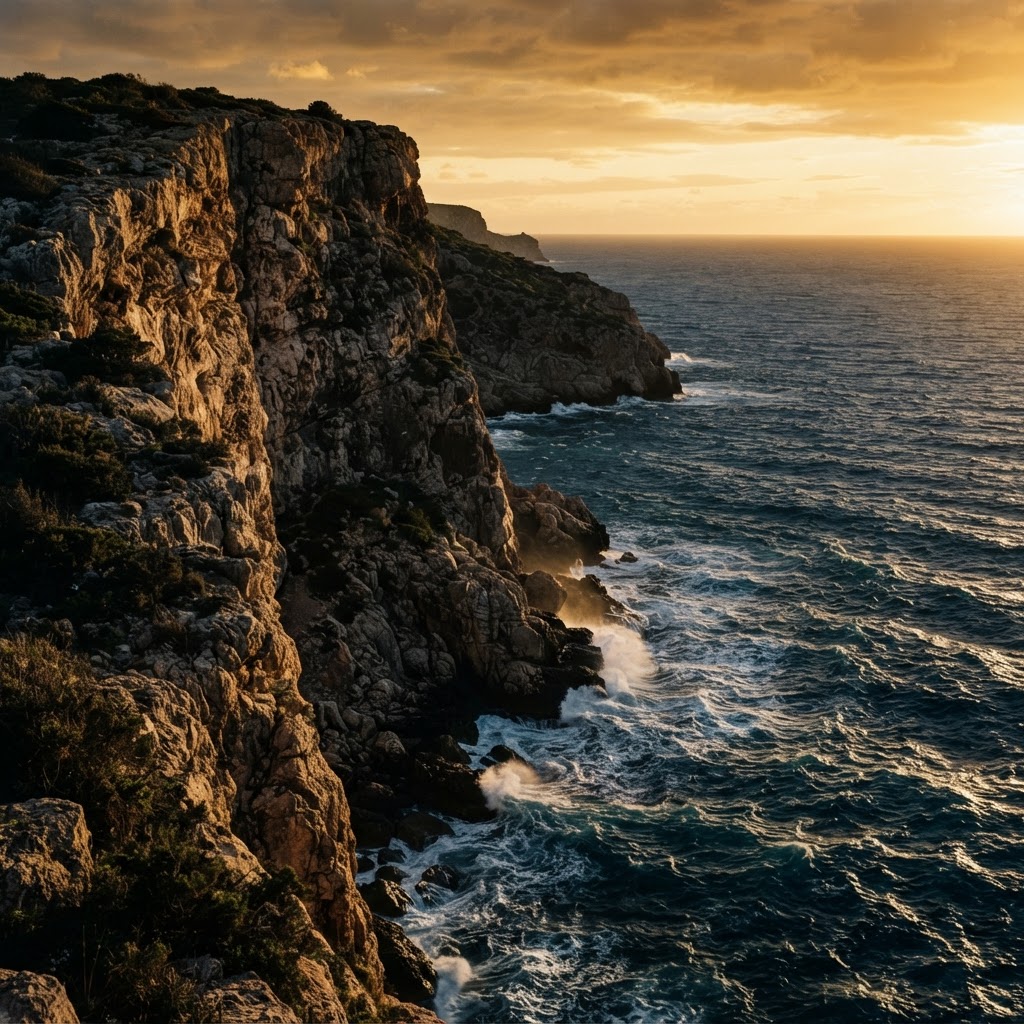
By the mid-twentieth century, the artistic fascination with the coastal light had moved toward abstraction, yet the impulse remained unchanged. Artists like Nicolas de Staël looked at the Mediterranean and saw not just waves, but blocks of colour, monumental and resonant. His work captures the physical weight of the light at sea, the way it presses against the hull of a vessel and makes the world feel simultaneously boundless and intimate. This is the sensation of the open sea: an overwhelming scale paired with a hyper-focused clarity, where the horizon becomes the only line that matters, a taut thread stretching between the finite and the infinite.
The Eternal Return
Today, as we navigate the same waters that inspired these masters, the relationship between the light and our own perception remains as vital as ever. The modern sailor, much like the painter, is a creature of the observation deck. We are governed by the weather, by the subtle shifts in the wind that alter the texture of the sea, and by the way the light dictates the rhythm of the voyage. To look back at the history of coastal painting is to recognise that our appreciation of the sea is historically conditioned; we see the cerulean depth of the Tyrrhenian Sea through the eyes of those who spent decades trying to capture it. The coast remains a mirror, not just of our own ambition, but of the light that illuminates the path forward.