The Scale of the Problem
The numbers are not easy to sit with. Fifty percent of the world's coral reefs have been lost since 1950. Ninety percent of large predatory fish have been removed from the ocean by industrial fishing. Dead zones — areas of the ocean so depleted of oxygen that they cannot support life — have quadrupled since 1950, driven by agricultural runoff and rising water temperatures.
The ocean, which covers seventy percent of the planet's surface and produces half its oxygen, is under greater pressure than at any point in human history.
The Response
And yet — there is a response. A generation of marine scientists, many of them working in partnership with conservation-minded yacht owners and foundations, is developing new approaches to reef restoration, fish population management, and ocean plastics.
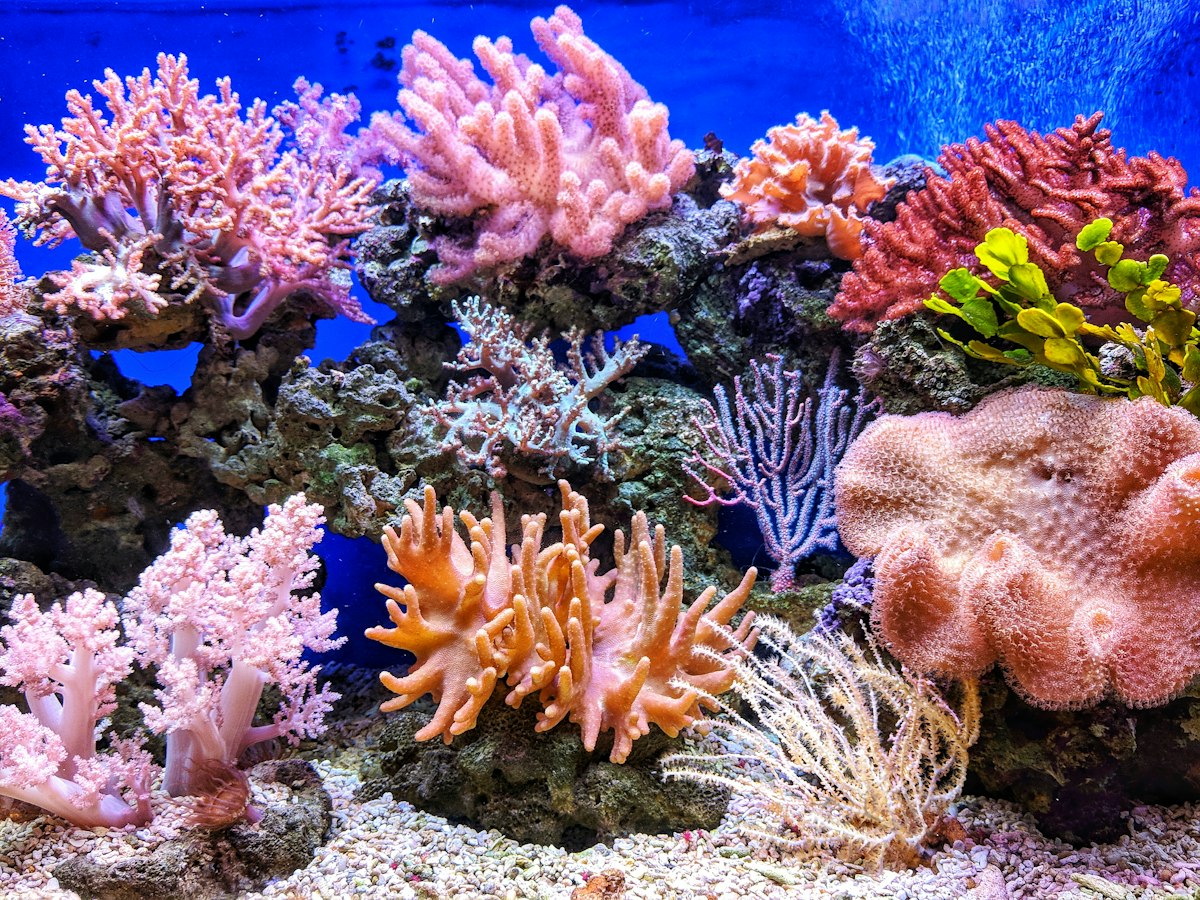
The Coral Restoration Foundation in Florida has planted more than 180,000 corals on degraded reefs in the Florida Keys. The work is painstaking — fragments of coral are grown in underwater nurseries, then transplanted by hand to damaged reef structures — but it is producing measurable results.
The Deep Sea Frontier
More than eighty percent of the ocean floor remains unmapped and unexplored. We know more about the surface of Mars than we do about the deepest trenches of our own planet. This is beginning to change — new sonar technologies, autonomous underwater vehicles, and private funding from ocean-minded philanthropists are accelerating the pace of discovery.
In 2025, an expedition funded by a consortium of yacht owners and marine research institutes discovered three new species of deep-water coral in the Western Pacific, at depths exceeding 2,000 metres. These corals, which grow in absolute darkness and at temperatures just above freezing, may hold clues to the origins of life on Earth — and to its possible existence elsewhere in the solar system.
The Plastics Crisis
An estimated eleven million metric tons of plastic enter the ocean every year. By 2050, on current trends, there will be more plastic in the ocean by weight than fish. The Great Pacific Garbage Patch — a swirling accumulation of plastic debris in the North Pacific — covers an area three times the size of France.
The solutions require action at every level: international policy, corporate responsibility, and individual behaviour. Several superyacht owners have funded plastic recovery operations in Southeast Asia, where the problem is most acute, and a growing number of marinas in the Mediterranean now operate plastic-free policies.
The Yachting Community
A number of prominent yacht owners have become significant funders of marine science. The connection is not accidental: people who spend serious time at sea tend to develop a genuine attachment to the health of the ocean. Several have equipped their vessels with scientific monitoring equipment, turning private yachts into research platforms during passages.
One owner, speaking off the record, put it simply: 'I have spent the best years of my life on the ocean. It seemed the least I could do.'
The Next Generation
Perhaps the most hopeful development in marine conservation is the emergence of a new generation of scientists and activists who are combining rigorous research with effective communication. Organisations like SeaLegacy, founded by photographers Paul Nicklen and Cristina Mittermeier, are using visual storytelling to build public support for marine protected areas. The Blue Marine Foundation, based in London, has helped secure protection for over four million square kilometres of ocean.
The message from those working on the front line of ocean conservation is consistent: the situation is serious, but not hopeless. The ocean has an extraordinary capacity for recovery when given the chance. The question is whether we will give it that chance — and the answer will be determined, in large part, by the decisions made in the next decade.