The Alexandria Connection
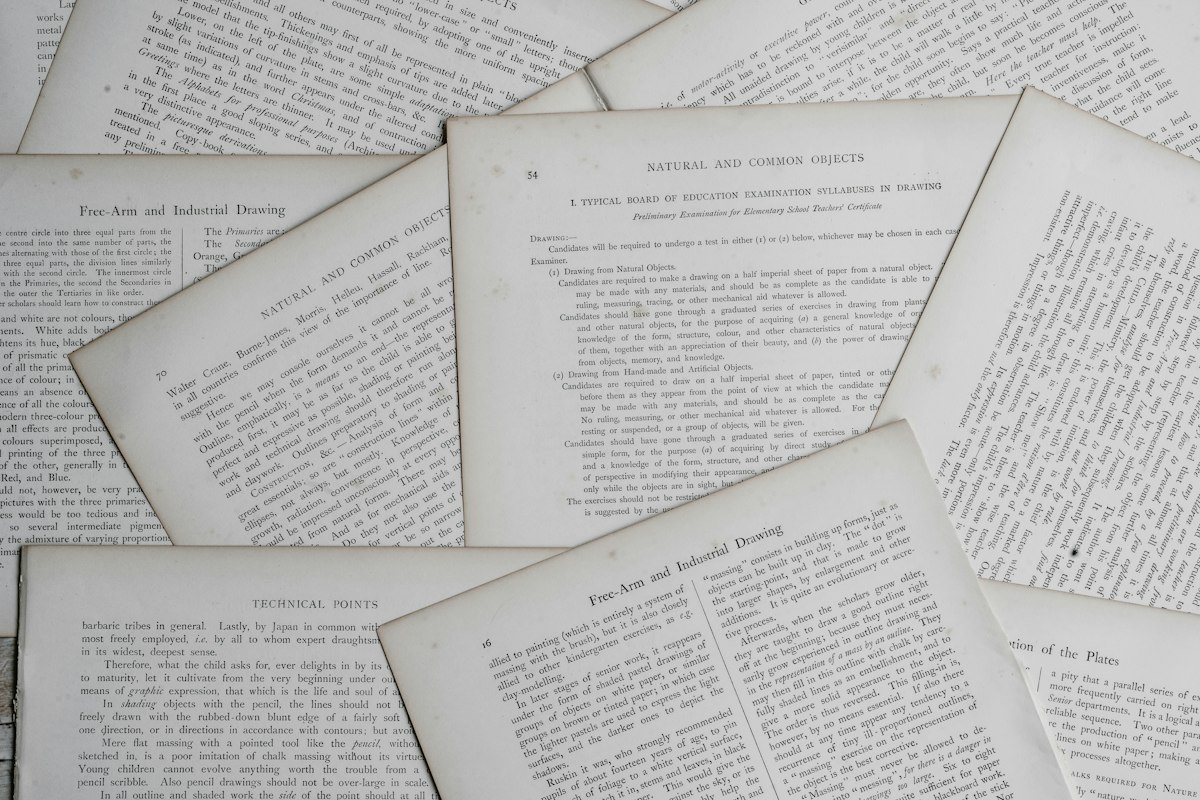
In the winter of 391 AD, a mob gathered outside the great library of Alexandria. What happened next remains disputed — the primary sources are contradictory, and the archaeology is inconclusive — but by the end of that century, the greatest repository of knowledge in the ancient world had ceased to exist. Tens of thousands of scrolls, representing centuries of Greek, Egyptian, Persian, and Indian scholarship, were destroyed or dispersed.
But not all of them. A significant portion of the library's holdings had already been copied and transported — by sea, aboard trading vessels that followed routes established by the Phoenicians centuries earlier — to other centres of learning: Constantinople, Baghdad, Venice, and the monastic libraries of Europe. The story of the library's destruction is also, in a quieter way, the story of its preservation.
The Merchants of Venice
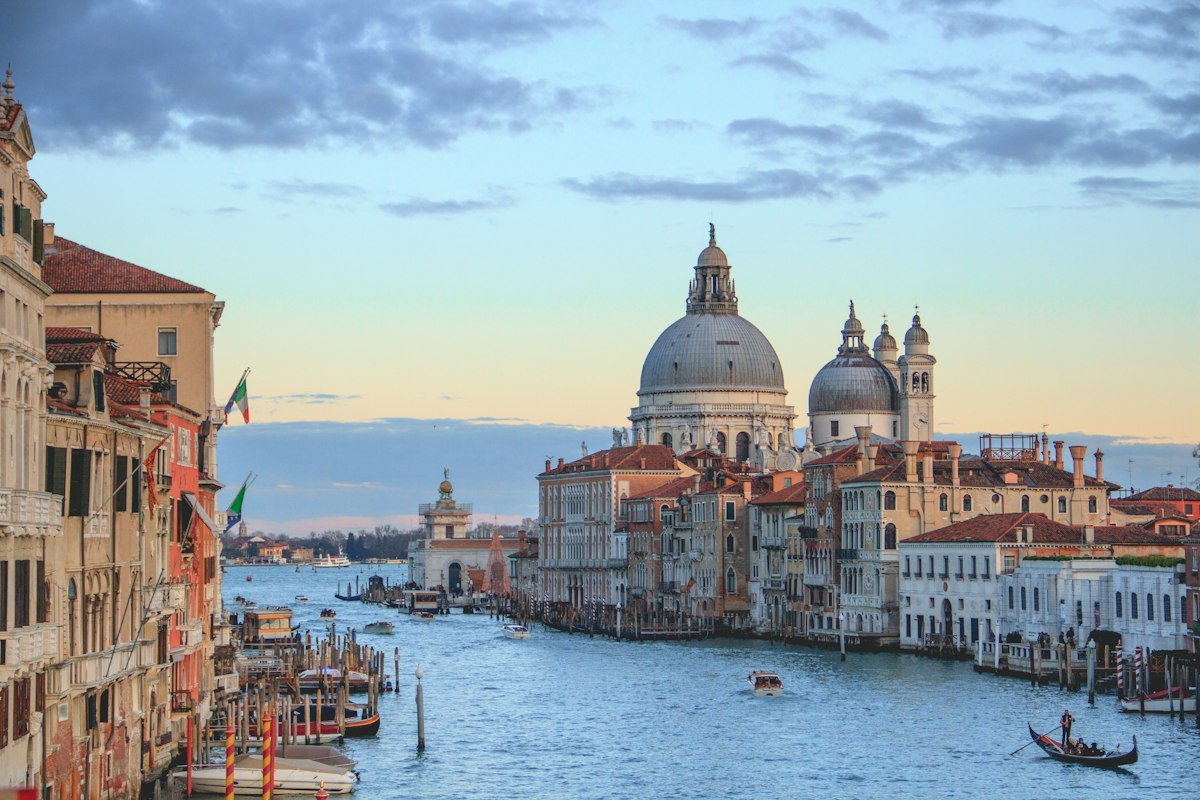
Venice in the sixteenth century was the greatest maritime trading power in the Mediterranean, and its merchants brought back not only spices, silks, and precious metals but also books. The Biblioteca Marciana, built to house the collection of Greek and Latin manuscripts donated to the Republic by Cardinal Bessarion in 1468, became one of the most important libraries in Renaissance Europe.
Many of those manuscripts had travelled extraordinary distances: copied in Constantinople before its fall, carried across the Mediterranean aboard Venetian galleys, catalogued and preserved in a building designed by Sansovino that still stands at the edge of St Mark's Square.
The Wreck of the Sea Venture
In 1609, a vessel called the Sea Venture was bringing supplies and settlers to the English colony at Jamestown when it was caught in a hurricane and driven onto the reefs of Bermuda. All 150 passengers and crew survived, but the ship was lost — along with its cargo, which included a small library of books destined for the colony.
Shakespeare almost certainly read the account of the wreck, published in London in 1610 by William Strachey, one of the survivors. The language of that account — of 'roaring' seas and 'the very rats' leaving the ship — finds direct echoes in The Tempest, written shortly afterwards. A shipwreck, a library lost, and one of the greatest plays in the language: the sea routes that carried manuscripts also carried stories.
What Survives
The texts that reached us did so through a chain of improbable survivals: a manuscript copied by a monk in a scriptorium, carried by mule across the Alps, stored in a monastery library for centuries, discovered by a scholar in the Renaissance, published in an edition of perhaps two hundred copies. At every link in that chain, the sea was present — the medium through which Mediterranean civilisation communicated, traded, and preserved its intellectual heritage.
The Arab Transmission
A chapter often overlooked in this history belongs to the scholars of the Abbasid Caliphate. While Western Europe entered the intellectual contraction of the early medieval period, Baghdad's House of Wisdom was actively translating Greek philosophy, medicine, and mathematics into Arabic — texts that had arrived, invariably, by sea. Aristotle, Galen, Ptolemy — their works crossed the Mediterranean aboard Arab dhows and Byzantine merchantmen, finding new life in the libraries of a civilisation that valued knowledge above conquest.
When these texts eventually returned to Europe — through Sicily, through Toledo, through the maritime republics of Venice and Genoa — they had been enriched by centuries of Arabic commentary and expansion. The Renaissance, in a very real sense, was a product of Mediterranean shipping routes as much as of Italian genius.