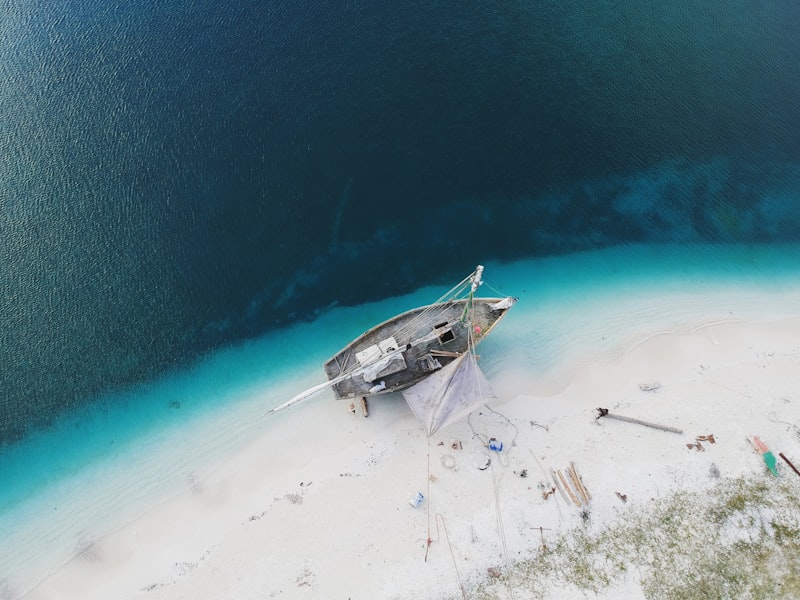
Against the Clock
There is a particular kind of freedom that only becomes available when you stop trying to arrive on time. It requires, first, the deliberate abandonment of the schedule — that tyranny of the itinerary that governs so much of modern travel. It requires, second, a vessel capable of carrying you across open water under sail alone, with no recourse to the engine except in genuine emergency. And it requires, third, a willingness to be shaped by conditions rather than to impose your will upon them.
This is the art of slow sailing. It is not a new idea — it is, in fact, the oldest idea in ocean travel — but it has acquired a new resonance in an era defined by acceleration.
The Passage
We had been at sea for eleven days when we first saw the lights of the Azores. The Atlantic crossing from the Canaries had given us everything: three days of glassy calm near the African coast, a gale of Force 8 that had us hove-to for eighteen hours somewhere in the middle of the ocean, and then — for the final five days — the kind of steady trade wind sailing that makes you understand why people speak of the Atlantic passage with a particular reverence.
Under a full press of sail in fifteen knots of breeze, a well-found yacht finds a rhythm that is unlike anything else in travel. The hull lifts to the swell, the rigging hums its single sustained note, the wake unravels behind you in a long white line that disappears into the horizon. Time, which on land moves in sharp increments, becomes fluid. The watch system — four hours on, four hours off — gives the days their structure, but within each watch there is a quality of attention that is almost meditative.
What the Sea Teaches
Sailors talk about what the sea teaches, and they are sometimes difficult to believe — it can sound like mysticism dressed in foul-weather gear. But there is something genuine in it. The ocean is indifferent to human ambition in a way that is, paradoxically, enormously clarifying. It does not care about your schedule, your reputation, or your anxiety. It presents its conditions, and you respond to them, and in that transaction something of the usual self — the performing, worrying, planning self — is temporarily suspended.
You learn to read the sky with a different quality of attention. The formation of cloud on the horizon to the southwest, the slight backing of the wind, the long swell running from a direction different to the current wind — these become meaningful. The sea has a grammar, and slow sailing teaches you to read it.
The Anchorage
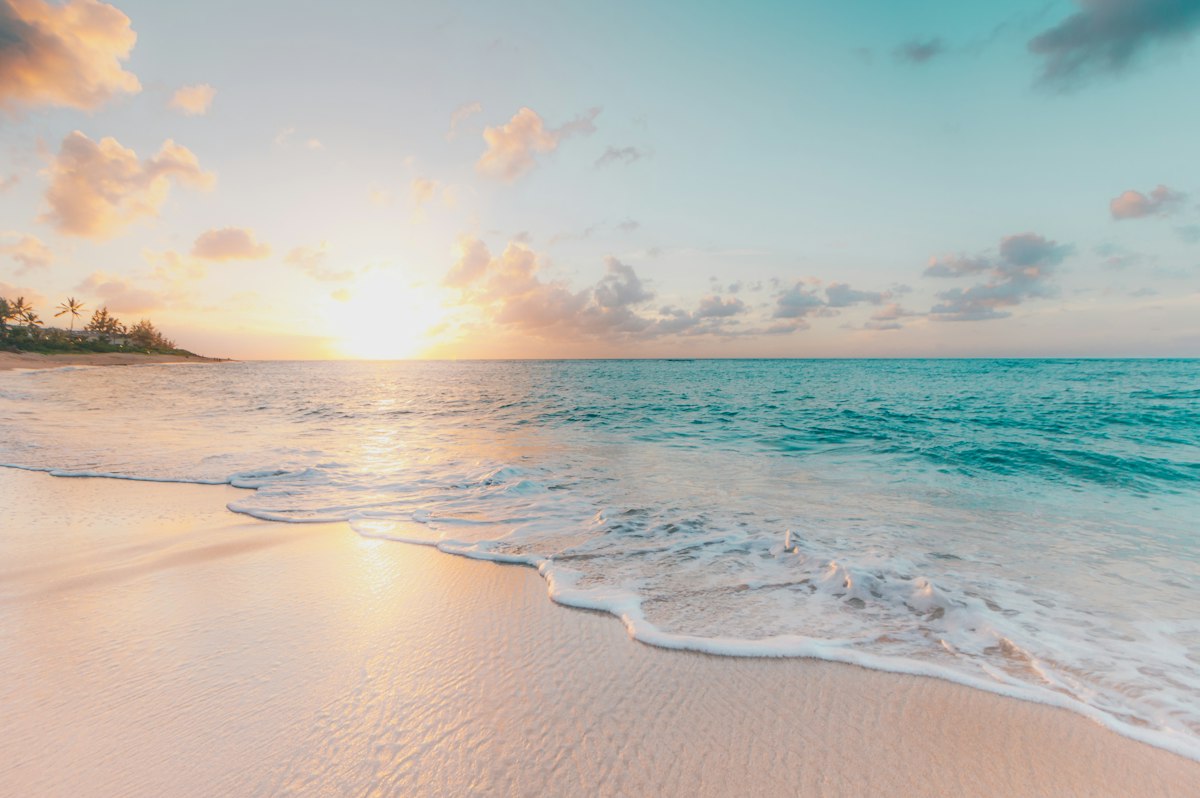
The reward for the passage is the anchorage. Not the marina — the anchorage: the unmarked bay on the north coast of a small island where three boats are swinging at anchor in turquoise water, where a path leads up through scrub to a clifftop with a view of the open Atlantic, where there is nothing to do in the afternoon except swim and read and watch the light change on the water.
This is what the slow sailors are looking for. Not the destination as such — not the town, the restaurant, the sight to be seen and ticked off — but the particular quality of arrival that only deep passage-making produces. The earned anchorage. The stillness that follows sustained motion. The extraordinary pleasure, after eleven days at sea, of a shower and a glass of cold wine and the solid, unmoving earth beneath your feet.
The Night Watch
There is something else that slow sailing confers, and it is harder to articulate: the experience of the night watch. Standing alone at the helm at three in the morning, under a sky so dense with stars that the constellations blur into a continuous field of light, you encounter a version of yourself that the daylight world rarely reveals. No phone, no internet, no demands on your attention beyond the compass heading and the set of the sails. The phosphorescence streams in the wake like a second galaxy beneath the hull. Occasionally a dolphin surfaces alongside, visible only as a disturbance in the bioluminescence — a ghost in green fire.
These hours are not productive in any conventional sense. They do not contribute to a career or a bank balance or a social media presence. But those who have stood them know that they are among the most valuable hours a life can contain. The sea at night is honest. It asks nothing of you except your attention, and in return it offers something that resembles peace.